
Your best money route changes when you reach level 45 and gain access to the Market. For fast AION 2 Kinah while leveling, follow the main mission and clear nearby Sealed Dungeons and Strongholds; at 45, build repeatable income through dungeon drops, Odyle extraction, or crafted consumables sold on the Market. Keep bound and unbound Kinah separate when planning purchases, because bound currency cannot buy other players' items.
How do you get Kinah fast before level 45?
Start with the quest route you already need for progression. At levels 1 to 20, the main mission plus nearby Sealed Dungeons is a reliable early money route, with reported totals of 100,000 to 400,000 Kinah during the first hours. Treat that as an early progression total, rather than an hourly farming rate.
Follow the main mission and take nearby green quests
The main quest supplies most of your experience. Green side quests add gear, useful materials, and Kinah, with larger currency rewards at higher levels. Take them along your route rather than ignoring them while rushing onward. After completing them, check the rewards you received and which Kinah balance increased.
Clear nearby Sealed Dungeons and Strongholds
These clears support character progression while paying Kinah and crafting materials. Pick up the first-clear rewards as you pass through each quest area. Check that you completed the clear and received its rewards before moving on; repeating the same dungeon does not make its first-clear payment repeatable. Use the AION 2 interactive map when planning the next area of your route.
Work on monster and pet achievements before outleveling the zone
Watch the kill milestones of 5, 25, and 75 for each monster species. Kills also pay level-dependent amounts of roughly 20 to 50 or more Kinah, and monsters in the right level range can drop valuable items and Souls. Check your achievement progress and look for Souls among the drops while you work toward the milestones.
Monster name colors look like a simple difficulty warning, but they also tell you when a farming window is closing. Red means too high, yellow is optimal, and grey means too low. When a monster turns grey, Souls stop dropping per kill and the item drop chance falls. Staying there after outleveling it makes the pet and achievement route harder to finish.
The useful extra here is character power: unlocking pets and their Genus Insight levels also grants base stats. You can build your Kinah reserve and those bonuses together. If you are choosing a character for repeated combat runs, compare the AION 2 classes and AION 2 class tier list before committing to a build.
Which Kinah balance can you actually spend?
A big balance can look like enough money for a Market purchase. Read the currency type first: bound and unbound Kinah have different spending rules.
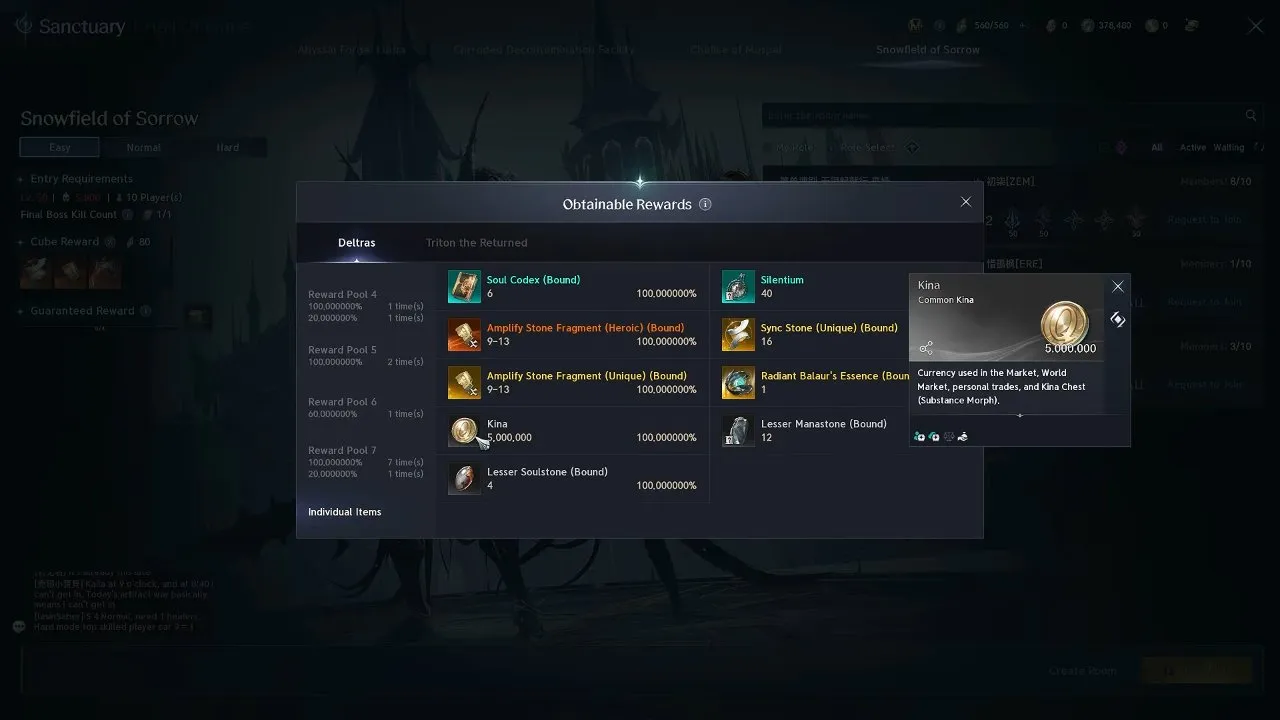
| Currency | How you obtain it | What it can pay for |
|---|---|---|
| Bound Kinah | Gameplay rewards such as quests, NPC sales, and dungeons | Upgrades, teleports, NPC purchases, and crafting or manufacturing fees |
| Unbound Kinah | Primarily Market sales and the exchange, with an active subscription | Other players' Auction House items and exchange conversion to Quna, as well as ordinary costs when bound Kinah runs out |
Bound Kinah has priority when paying ordinary game costs. Unbound Kinah is used for those costs only after your bound supply is exhausted. The two types also occupy separate inventory or bank slots, so check both rather than treating them as one trading budget.
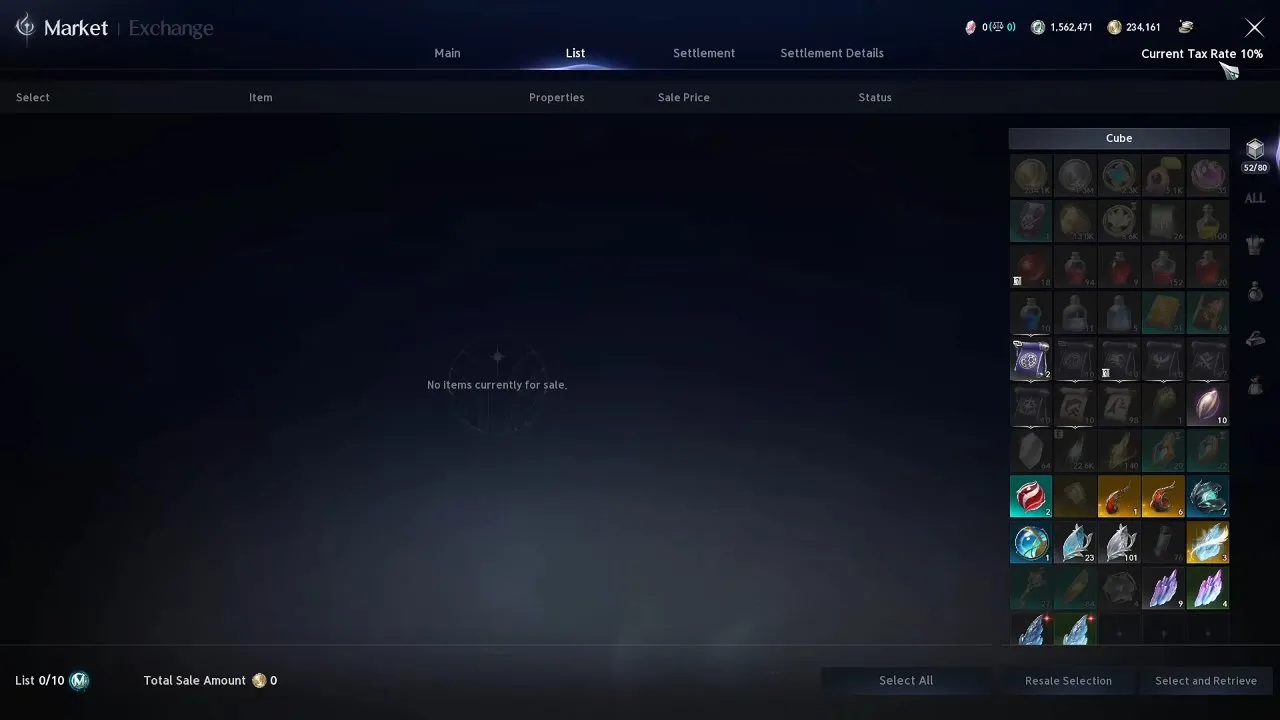
Reaching level 45 opens Market access, but market trading also has an active-subscription condition. Do not plan a player-trading income loop around level alone. Check your access and the unbound balance before relying on Market purchases or sales.
Should you sell spare gear or extract it?
The quickest cash choice can work against your next upgrade. Choose according to what you need right now, then check the result before processing more items.
Extract white or green gear for progression, recommended
Upgrade material demand is high, so extracting unwanted white or green equipment is the steadier default when you are still building your character. You receive resources instead of an immediate vendor payment. Check the extracted materials in your inventory so you know what you gained and can decide whether to keep using this route.
Sell white or green gear for immediate Kinah
If currency is your immediate bottleneck, sell unwanted low-quality gear to an NPC. This gives you money directly, but costs you the materials you could have extracted. Check your bound Kinah balance after the sale; that payment does not become a budget for buying another player's equipment.
Compare higher-quality gear with its material value
With an active subscription, check the Market value of the intact item against the value of its extracted resources. Strong stat combinations favor selling the equipment directly. Poor stat combinations favor extraction and selling the resources. Before you dismantle a valuable piece, compare both routes; after a completed sale, check the unbound balance to confirm the income you actually received.
What should you farm repeatedly at level 45?
Choose a loop you can keep doing, then distinguish its regular output from one-time rewards. Hunting monsters, opening Odyle Energy Cubes, Duty Quests, and player trading are repeatable sources. Dungeon and Stronghold first-clear rewards, individual one-time missions, and achievements are lump-sum gains; weekly missions provide a separate recurring routine.
Dungeon drops: recommended if you prefer combat
Repeated dungeon runs can supply equipment, jewelry, and crafting components to sell or extract. The named farming recommendations are Flammentempel, Draupnir-Höhle, and Krao-Höhle. Judge the repeat run by the unwanted drops you can turn into currency, rather than expecting another first-clear payout.
After each run, inspect the loot, keep upgrades you need, and apply the sell-versus-extract comparison above. Check the resulting materials or completed sale proceeds. That tells you what the run contributed to your farming goal.
Odyle extraction: focus on surplus materials
Odyle is used broadly in high-level recipes, Substance Morph, and stronger Wings. Gathering high-tier Odyle can therefore support your own progression while leaving surplus to sell. Check the materials you gathered, decide what you need for those uses, and price the surplus on the Market before treating it as income.
If you also craft, focus on one crafting route. Spreading your effort across every profession makes it harder to concentrate on the materials and products you intend to sell.
Alchemy: supply consumables to other players
Endgame PvP and difficult boss fights consume potions and buff food. Gathering the required materials and crafting high-level consumables offers a repeatable Market route. Choose it if you want your gathering and crafting to feed the same product line. Check the finished consumables in your inventory, then count the money from completed sales rather than the number of items you crafted.
Weekly missions: keep a recurring reward routine
Work through available weekly missions for the Abyss, crafting supply tasks, events, and dungeons. These pay Kinah and other currencies that can be exchanged for desirable upgrade materials, which can also be sold. After finishing a mission, check its reward currencies and the materials available through their exchanges before deciding what to keep or sell.
You now have a route for early lump-sum rewards and a repeatable level-45 loop, plus a way to avoid selling the materials your upgrades need. Continue with AION 2 materials when deciding what to gather or keep next, and use your actual sale proceeds to choose which farming loop deserves more of your time.